Restoring Knee Strength and Mobility Through Targeted Knee Pain Treatment

Knee pain is one of the most common musculoskeletal issues affecting adults of all ages. From athletes pushing their limits to older adults experiencing natural wear and tear, knee discomfort can impact anyone. Because the knees are central to almost every daily movement — walking, running, climbing stairs, sitting, standing, or even bending — any dysfunction can significantly reduce mobility and quality of life. Pain, stiffness, swelling, weakness, or limited range of motion can make simple activities frustrating and, over time, may lead to compensation patterns that affect the hips, back, or ankles.
The encouraging news is that knee pain does not have to be permanent. Through targeted knee pain treatment, it is often possible to alleviate discomfort, restore strength, and regain full mobility. This type of treatment addresses the underlying causes of pain rather than simply masking symptoms, incorporating strategies like therapeutic exercises, mobility work, manual therapy, and personalized rehabilitation plans. By focusing on improving both the function and stability of the knee, patients can reduce the risk of further injury and regain confidence in their movement.
In this article, we explore knee anatomy, common causes of pain, proven treatment methods, effective exercises, and professional care options designed to help you achieve long-lasting knee health.
Understanding the Knee: Anatomy and Function
The knee is far more than a simple hinge joint; it is a complex, highly mobile structure that plays a crucial role in almost every movement we perform. It must support the full weight of the body while allowing smooth, controlled motion during walking, running, bending, and twisting. Comprised of bones, cartilage, ligaments, tendons, muscles, and bursae, each component works together to provide stability, flexibility, and shock absorption. When any part of this intricate system is injured, weak, or imbalanced, the knee can become painful and dysfunctional. Understanding its detailed anatomy is essential for designing targeted treatments that restore function, mobility, and long-term joint health.
Key Components of the Knee
-
Bones
-
Femur (thigh bone)
-
Tibia (shin bone)
-
Patella (kneecap) – protects the joint and increases leverage
-
-
Cartilage
-
Articular cartilage – smooth tissue that covers bone ends
-
Menisci – medial and lateral shock-absorbing cartilage
-
-
Ligaments
-
Anterior Cruciate Ligament (ACL) – stabilizes the knee from forward movement
-
Posterior Cruciate Ligament (PCL) – prevents backward displacement
-
Medial Collateral Ligament (MCL) – stabilizes inner knee
-
Lateral Collateral Ligament (LCL) – stabilizes outer knee
-
-
Tendons
-
Connect muscles to bones, e.g., quadriceps tendon above the kneecap and patellar tendon below
-
-
Muscles
-
Quadriceps – extend the knee
-
Hamstrings – flex the knee
-
Gluteal muscles – control hip alignment and knee stability
-
Calves – assist knee and ankle mechanics
-
-
Bursa
-
Small fluid-filled sacs that reduce friction between tissues
-
Each part must function in harmony. Injury, weakness, or degeneration in one area affects the entire joint, causing pain, reduced mobility, and long-term dysfunction.
Common Causes of Knee Pain
Knee pain can arise from a wide variety of causes, and identifying the underlying source is essential for effective treatment. Pain may result from acute injuries, such as ligament tears or meniscus damage, chronic conditions like arthritis or tendinitis, or overuse and repetitive strain from activities like running, jumping, or prolonged standing. Muscle imbalances, poor biomechanics, or improper gait patterns can also place extra stress on the knee joint, leading to discomfort and dysfunction over time. By thoroughly understanding the root cause of knee pain, healthcare providers can develop a targeted, personalized treatment plan that addresses not just the symptoms, but the structural or functional issues contributing to the problem.
1. Overuse Injuries
Overuse is one of the most frequent causes of knee discomfort, particularly among athletes or active adults.
-
Runner’s knee (Patellofemoral Pain Syndrome) – pain around the kneecap from repetitive activity
-
Jumper’s knee (Patellar Tendinitis) – inflamed tendon due to repeated jumping or squatting
-
Iliotibial Band Syndrome – tight band of tissue causing outer knee pain
2. Traumatic Injuries
Sudden force or trauma can damage knee structures:
-
ACL or MCL tears
-
Meniscus tears
-
Fractures around the knee
3. Chronic Conditions
Degenerative or inflammatory conditions cause persistent knee pain:
-
Osteoarthritis – cartilage wear-and-tear leading to stiffness and swelling
-
Rheumatoid arthritis – autoimmune inflammation
-
Tendinitis or bursitis – inflamed tendons or bursae
4. Muscle Imbalances
Weak quadriceps, glutes, or hamstrings compromise knee stability, increasing stress on ligaments and cartilage.
5. Poor Biomechanics
Misalignment, flat feet, or incorrect gait patterns can overload knee structures, leading to chronic pain over time.
Why Targeted Knee Pain Treatment Matters
Many people rely on generic solutions like rest, ice, compression, or over-the-counter pain medications to manage knee discomfort. While these methods can provide temporary relief, they do not address the underlying causes of knee pain, such as muscle weakness, joint misalignment, ligament injuries, or chronic inflammation. This is where targeted knee pain treatment becomes essential. Rather than simply masking symptoms, it focuses on identifying and correcting the root problem through personalized exercises, mobility work, manual therapy, and lifestyle adjustments. By addressing the source of pain directly, targeted treatment promotes long-term recovery, restores strength and function, and reduces the risk of recurring injury.
-
Reduce pain at its source
-
Restore full range of motion
-
Strengthen supporting muscles
-
Improve balance and coordination
-
Prevent future injuries
This approach often combines:
-
Manual therapy
-
Targeted exercise programs
-
Mobility restoration
-
Lifestyle modifications
-
Education on safe movement patterns
Four Core Pillars of Knee Rehabilitation
1. Pain Management
Pain must be addressed first to allow safe movement and effective rehabilitation. Reducing discomfort helps patients participate in exercises and daily activities without further aggravating the injury. Effective strategies may include rest, ice or heat therapy, gentle stretching, manual therapy, and guided therapeutic exercises designed to reduce inflammation and support healing.
-
Manual therapy – gentle joint mobilization, massage, or myofascial release
-
Ice and heat therapy – to reduce swelling and stiffness
-
Therapeutic modalities – electrical stimulation or ultrasound to accelerate healing
-
Anti-inflammatory strategies – lifestyle, nutrition, and safe medications under guidance
2. Mobility Restoration
Restricted motion in the knee can place additional stress on surrounding muscles, ligaments, and nearby joints such as the hips and ankles. When the knee cannot move through its full range of motion, the body often compensates with altered movement patterns. Over time, these compensations can lead to increased strain, discomfort, and a higher risk of further injury. Restoring proper mobility through stretching, gentle joint movements, and guided rehabilitation helps reduce pressure on surrounding structures and promotes smoother, more efficient movement in daily activities.
-
Flexion and extension exercises restore natural movement
-
Soft tissue work reduces tightness and scar tissue
-
Joint mobilizations promote lubrication and decrease stiffness
-
Example exercises: Heel slides, knee bends, gentle hip rotations
3. Strength Training
Muscles play a vital role in supporting and protecting the knee joint during movement. Strong muscles help stabilize the joint, absorb shock, and reduce the strain placed on ligaments and cartilage. Targeted strengthening exercises focus on key muscle groups such as the quadriceps, hamstrings, glutes, and calves. When these muscles are properly developed, they work together to improve knee alignment, balance, and overall function. Strengthening these supportive structures not only helps reduce current knee pain but also lowers the risk of future injuries, allowing for safer movement and better performance in daily activities.
-
Quadriceps – straight-leg raises, mini-squats
-
Hamstrings – bridges, hamstring curls
-
Glutes – hip thrusts, lateral band walks
-
Calves – heel raises
-
Progression: low-impact → resistance bands → functional exercises
4. Functional Integration
Rehabilitation must extend beyond clinical exercises and translate into real-life movements and daily activities. The goal is not only to reduce pain but also to help individuals move safely and confidently during routine tasks such as walking, climbing stairs, sitting, standing, and lifting objects. Functional rehabilitation focuses on improving coordination, balance, and proper movement patterns so the knee can handle everyday demands. By practicing movements that mimic daily activities, patients develop stronger, more stable joints and reduce the likelihood of reinjury. This practical approach ensures that improvements gained during therapy carry over into normal life, allowing for greater independence and long-term knee health.
-
Walking, stair climbing, bending, lifting
-
Athletic or sport-specific drills
-
Goal: regain confidence in movement patterns, reducing risk of reinjury
Step-By-Step Treatment Progression
Phase 1: Relief & Restoration
-
Reduce swelling
-
Pain-free activation of muscles
-
Gentle mobility exercises
Phase 2: Foundational Strength
-
Isometric quadriceps activation
-
Hamstring and gluteal strengthening
-
Core stability
-
Low-impact functional drills
Phase 3: Load & Control
-
Resistance training
-
Eccentric strengthening
-
Dynamic balance exercises
Phase 4: Functional Return
-
Sport-specific drills
-
Plyometric exercises if appropriate
-
Dynamic balance and agility
Key Exercises for Knee Strength and Mobility
Mobility & Flexibility
-
Heel Slides
-
Lie on your back, slide your heel toward your buttocks
-
Improves knee flexion
-
-
Seated Hamstring Stretch
-
Quadriceps Stretch
-
Calf Stretch Against Wall
Strengthening
-
Straight-Leg Raises
-
Mini Squats
-
Bridges
-
Step-Ups
-
Terminal Knee Extensions
Balance & Stability
-
Single-Leg Stance
-
Balance Board Exercises
-
Lateral Band Walks
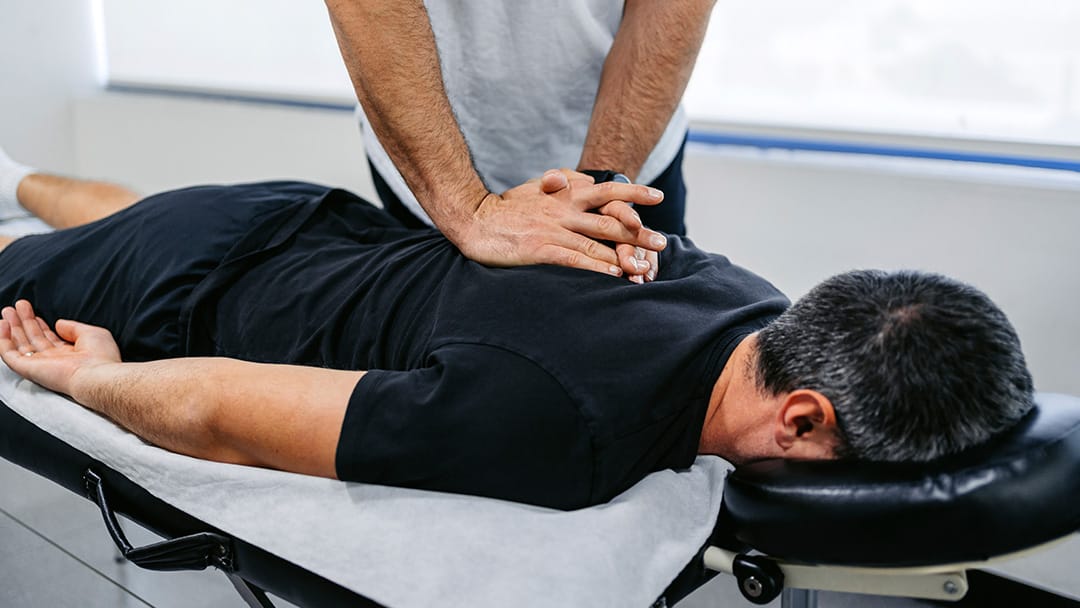
Manual Therapy & Chiropractic Care
Chiropractic and manual therapy interventions help accelerate recovery:
-
Joint mobilization to improve glide and alignment
-
Soft tissue release for tight muscles and scar tissue
-
Corrective adjustments for knee, hip, or spine alignment
These interventions are always personalized, ensuring each patient receives care specific to their condition.
Lifestyle Strategies to Support Recovery
-
Weight Management – reduces knee load
-
Proper Footwear – supports biomechanics
-
Activity Modification – switch high-impact to low-impact activities temporarily
-
Adequate Rest & Recovery – healing tissues need time to adapt
Dietary Considerations for Joint Health
Nutrition can support knee rehabilitation and reduce inflammation.
-
Omega-3 fatty acids – found in fish, walnuts, flaxseed
-
Collagen supplements – support cartilage and tendons
-
Antioxidants – berries, leafy greens, and spices reduce oxidative stress
-
Vitamin D & Calcium – support bone health
When to Seek Professional Care
Immediate evaluation is necessary if:
-
Pain persists beyond 2–3 weeks
-
Swelling or locking occurs
-
You cannot bear weight
-
Knee feels unstable or “gives out”
-
Deformity is visible
What to Expect During a Professional Knee Evaluation
A clinician or chiropractor will:
-
Review your history and symptoms
-
Conduct a thorough physical exam
-
Assess gait, alignment, and range of motion
-
Perform orthopedic tests
-
Develop a personalized treatment plan
Case Examples
Case 1: Runner with Patellofemoral Pain
-
Symptoms: Anterior knee pain during running
-
Treatment: Quadriceps strengthening, hip/glute activation, patellar mobilization
-
Outcome: Returned to running pain-free in 8 weeks
Case 2: Older Adult with Knee Arthritis
-
Symptoms: Stiffness, swelling, pain during daily activities
-
Treatment: Mobility exercises, low-impact strengthening, manual therapy
-
Outcome: Improved mobility, reduced pain, regained independence in daily activities
FAQs
Q1: Can knee pain be fully healed?
Yes, many cases respond well to conservative care, including targeted exercises, therapy, and lifestyle changes.
Q2: Will exercise worsen my knee?
Not if exercises are tailored to your ability and performed pain-free.
Q3: How long until I see improvement?
Early relief may occur in days; strength and mobility gains typically appear in 4–8 weeks.
Q4: Is surgery always necessary?
No. Most knee pain responds well to targeted conservative care.
Q5: Are supplements useful?
Some patients benefit from collagen, glucosamine, or omega-3s. Always consult your clinician.
Conclusion
Knee pain doesn’t have to control your life or limit the activities you enjoy. With the right targeted treatment, it’s possible to restore not only strength and mobility but also proper joint function, allowing you to move freely and confidently again. Addressing knee pain effectively requires a comprehensive approach that combines carefully designed exercises to strengthen the supporting muscles, manual therapy to improve joint alignment and flexibility, and professional guidance to ensure safe and effective rehabilitation. Additionally, practical lifestyle adjustments such as proper footwear, activity modification, weight management, and recovery strategies play a critical role in reducing stress on the knees and promoting long-term health. By taking these steps, you can reduce pain, regain independence, and rebuild confidence in your body’s ability to perform daily activities and recreational pursuits. Consistent care and commitment to your knee’s recovery can help prevent future injuries and ensure lasting joint health.
Take the first step toward pain-free knees today. At Abundant Life Chiropractor, we provide personalized care to help you reduce pain, restore mobility, and regain strength.
📞 Phone: (952) 300‑8338
📧 Email: ca@abundantlifechiropractor.com
📠 Fax: (952) 737‑1009
📍 Address: 7945 Stone Creek Drive, Suite 120, Chanhassen, MN 55317
🌐 Website: abundantlifechiropractor.com
Schedule your personalized knee evaluation and start your journey to stronger, healthier knees today!
The post Restoring Knee Strength and Mobility Through Targeted Knee Pain Treatment appeared first on Abundant Life Chiropractic Health Center.
from
https://abundantlifechiropractor.com/knee-pain-treatment-strength-mobility/
from
https://abundantlifechiropractic0.blogspot.com/2026/03/restoring-knee-strength-and-mobility.html
from
https://mildredmiller0.blogspot.com/2026/03/restoring-knee-strength-and-mobility.html
from
https://shawnboyd0.blogspot.com/2026/03/restoring-knee-strength-and-mobility.html



No comments:
Post a Comment